Preparing for the Next Global Health Crisis: Will We Be Ready in 100 Days?
A Devex article published on February 25 highlights urgent gaps in global pandemic readiness despite unprecedented scientific progress.
By: Mona Nemer (Chair, International Pandemic Preparedness Secretariat),
Yazdan Yazdanpanah (Director, ANRS Emerging Infectious Diseases Agency),
Rebecca F. Grais (Executive Director, Pasteur Network).
Six years after COVID‑19, innovation has accelerated: sequencing is faster, AI is reshaping biomedical science, and the WHO Pandemic Agreement has created a long-awaited multilateral framework. Yet the world still cannot ensure equitable access to diagnostics, therapeutics, and vaccines within the first 100 days of a new pandemic threat — the core ambition of the 100 Days Mission (100DM).
Outbreaks across 2025 — mpox, H5N1, chikungunya, Ebola, Rift Valley fever, measles, whooping cough — exposed the same vulnerabilities: delayed detection, slow deployment of countermeasures, and limited access for low‑ and middle‑income countries. Even where tools exist, such as mpox vaccines and diagnostics, endemic countries faced significant delays, and point‑of‑care tests still do not exist. Availability without access remains a fatal gap.
🏛️Five priorities for a safer world
- Operationalize equitable access systems worldwide : turning scientific tools into deployable solutions ready for the places that need them most.
- Embed One Health approaches : integrating human, animal, plant, and environmental surveillance into preparedness strategies.
- Strengthen biosecurity governance : including safeguards against misuse of AI for harmful pathogen design.
- Integrate diagnostics, therapeutics, and vaccines : ending siloed R&D, manufacturing, and regulatory pathways by connecting them within a single operational ecosystem.
-
Secure sustained, predictable financing : ensuring manufacturing capacity, regulatory cooperation, and access mechanisms are fully functional before the next crisis begins.
Financing remains the Achilles’ heel. Preparedness is often deprioritized in peacetime, yet underinvestment now guarantees far higher costs later. New blended finance models and stronger domestic contributions are required to prevent fragmentation and duplication across the global PPPR (Pandemic Prevention, Preparedness, and Response) ecosystem.
🗣️“Do we have the mechanisms in place to guarantee rapid access to the diagnostics, treatments, and vaccines that will make the difference?”
🗣️“The ambition of the 100 Days Mission can shift from aspiration to reality if global leadership acts now.”
🌍2026: A turning point for global action
France’s G7 presidency and the 2026 UN High-Level Meeting on PPPR offer major opportunities to embed the 100DM into the global health architecture. The One Health Summit and the Africa Forward Summit (co‑hosted by France and Kenya) further position France to catalyze progress. Early initiatives such as the BE READY European partnership begin outlining what a stronger, more coordinated regional contribution could look like — but major gaps remain, including slow regulatory harmonization and a depleted therapeutics pipeline.
👉 Read the full Devex article:
https://www.devex.com/news/when-the-next-global-health-crisis-strikes-will-we-be-ready-in-100-days-111942
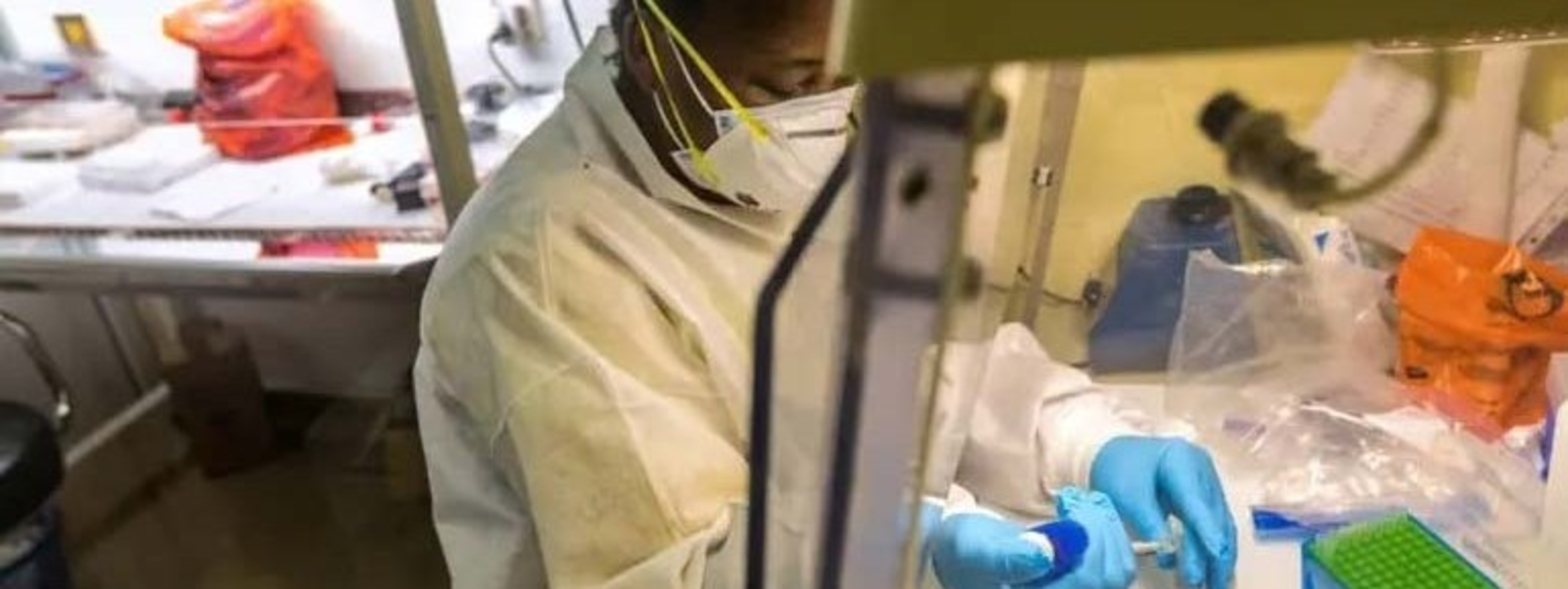
Picture : A medical specialist at work on a vaccine study in a clinical laboratory in Johannesburg, South Africa. Photo by: CDC/Handout / Latin America News Agency via Reuters Connect